

Introduction
If you’re a parent of a child with ADHD, you know how challenging it can be to manage focus, behavior, and daily routines. While many families rely on therapy and medication, more parents today are also exploring natural ways to support their child’s health. One nutrient that often comes up in conversations about ADHD is magnesium.
Magnesium plays a key role in brain function, calming the nervous system, and supporting better sleep. Some studies suggest that children with ADHD may have lower magnesium levels, which can affect mood, focus, and hyperactivity. The good news is that certain magnesium supplements may help bridge this gap and provide gentle support for your child’s overall well-being.
In this guide, we’ll explore the best magnesium supplements for ADHD children, the different types available, and how parents can choose the right one. We’ll also cover dosage, safety tips, and additional nutrients that work well with magnesium.
Disclaimer: This article is for educational purposes only. It is not medical advice. Always consult a pediatrician before starting any supplement for your child.
What is Magnesium & Why It Matters for ADHD
Magnesium is one of the most important minerals in the human body. It supports more than 300 biochemical reactions, including energy production, muscle relaxation, nerve signaling, and brain health. Without enough magnesium, children may experience symptoms like irritability, poor concentration, restless sleep, or even increased hyperactivity.
For children with ADHD, magnesium may be especially important. Several studies have found that kids with ADHD are more likely to have lower magnesium levels compared to their peers. Low magnesium can lead to problems like difficulty focusing, anxiety, mood swings, and trouble winding down at night. Since these are common challenges in ADHD, improving magnesium intake may bring some relief.
How exactly does magnesium help?
- Supports brain function: Magnesium helps regulate neurotransmitters, which send signals in the brain. Balanced neurotransmitters can improve attention and reduce impulsivity.
- Promotes relaxation: It calms the nervous system, making it easier for children to feel less anxious and more focused.
- Improves sleep quality: Better sleep often leads to better daytime behavior and focus.
- Helps with hyperactivity: Some parents report that their child feels calmer and less restless after consistent magnesium use.
It’s important to remember that magnesium is not a cure for ADHD, but it may support existing treatment plans and improve overall well-being. Parents should see it as a helpful tool alongside therapy, healthy food, and professional medical care.
Types of Magnesium Supplements
Not all magnesium supplements are the same. The type of magnesium you choose can make a big difference in how well it is absorbed and how your child responds. Here are the most common forms of magnesium used for ADHD support:
1. Magnesium Glycinate
- Why it’s good: Highly absorbable and gentle on the stomach. Known for its calming effects on the brain and nervous system.
- Best for: Children who struggle with anxiety, irritability, or sleep problems.
- Possible downside: Usually a bit more expensive than other forms.
2. Magnesium Citrate
- Why it’s good: Well-absorbed and often recommended for children with constipation since it helps digestion.
- Best for: Kids who need both ADHD support and help with regular bowel movements.
- Possible downside: Can cause loose stools if taken in higher doses.
3. Magnesium Oxide
- Why it’s good: Very affordable and widely available.
- Best for: Parents on a budget who want a basic supplement.
- Possible downside: Poor absorption compared to other forms, so the benefits for ADHD may be limited.
4. Magnesium L-Threonate
- Why it’s good: A newer form that can cross the blood-brain barrier, which means it directly supports brain function. Some early research shows it may improve memory and attention.
- Best for: Children who mainly struggle with focus and learning.
- Possible downside: Often the most expensive option.
5. Magnesium Malate
- Why it’s good: Supports both energy production and relaxation. Can help with mood balance and muscle tension.
- Best for: Kids who feel both restless and tired or who complain about body aches.
- Possible downside: Not as widely studied for ADHD compared to glycinate or threonate.
Comparison Table: Types of Magnesium for ADHD Children
| Magnesium Type | Absorption Level | Best For | Possible Side Effects |
| Glycinate | High | Calming, sleep, anxiety relief | Minimal, gentle on stomach |
| Citrate | Medium-High | Focus + digestion support | Loose stools in higher doses |
| Oxide | Low | Budget-friendly option | Poor absorption, stomach upset |
| L-Threonate | High (Brain) | Memory, learning, focus | Expensive, limited availability |
| Malate | Medium | Mood & energy balance | Mild stomach issues possible |
Best Magnesium Supplements for ADHD Child (USA Picks)
When choosing a magnesium supplement for your child, the form, safety, and brand reputation matter a lot. Below are some of the best magnesium supplements available in the USA, trusted by parents and recommended for children with ADHD support.
1. Thorne Magnesium Bisglycinate
- Form: Magnesium bisglycinate (high absorption, gentle on the stomach)
- Why it’s good: Calming effect, supports sleep and focus, good for sensitive kids.
- Pros:
- Excellent absorption
- Trusted USA brand
- Minimal digestive side effects
- Cons:
- Capsule form (not great for small kids)
- A bit expensive
2. NOW Foods Magnesium Glycinate 200mg
- Form: Magnesium glycinate
- Why it’s good: Budget-friendly option with high quality. Ideal for older kids or teens.
- Pros:
- Affordable
- Popular, well-reviewed brand
- Gentle on digestion
- Cons:
- 200mg may be too high for younger kids (capsule splitting may be needed)
3. Life Extension Neuro-Mag® Magnesium L-Threonate
- Form: Magnesium L-Threonate (crosses the blood–brain barrier)
- Why it’s good: Designed to support brain function, learning, and focus.
- Pros:
- Research-backed
- Good for memory and attention
- Well-trusted USA company
- Cons:
- Expensive compared to other forms
- Capsule size may be big for kids
4. Pure Encapsulations Magnesium (Chelated)
- Form: Chelated magnesium (bisglycinate)
- Why it’s good: Hypoallergenic, clean formula, no unnecessary additives. Great for kids with sensitivities.
- Pros:
- High purity
- Minimal fillers
- Gentle on the stomach
- Cons:
- Capsule form only
- On the pricier side
5. Zahler ChildCalm (Chewable Magnesium for Kids)
- Form: Chewable tablets (child-friendly)
- Why it’s good: Specifically made for children, includes magnesium plus calming nutrients like vitamin B6.
- Pros:
- Easy to take (fruit punch flavor)
- Designed for kids
- Helps with relaxation and focus
- Cons:
- Lower magnesium content per tablet
- Contains sweeteners/flavoring
Dosage & Safety Guidelines
When it comes to supplements, the right dose is very important—especially for children. Too little magnesium may not help, while too much can cause stomach problems. Always check with your child’s pediatrician before starting.
Recommended Daily Magnesium Intake (from the U.S. National Institutes of Health):
- 1–3 years old → about 80 mg per day
- 4–8 years old → about 130 mg per day
- 9–13 years old → about 240 mg per day
- 14–18 years old → about 360–410 mg per day (depending on gender)
(These amounts include both food + supplements combined.)
Safety Tips for Parents
- Start low, go slow → Begin with the smallest effective dose and increase only if needed.
- Watch for side effects → The most common is loose stools or stomach upset. If this happens, lower the dose or switch to a gentler form like magnesium glycinate.
- Choose child-friendly forms → Gummies, chewables, or liquid magnesium may work better for younger kids who can’t swallow pills.
- Check labels carefully → Some supplements list the compound (e.g., magnesium glycinate 500 mg) instead of the actual elemental magnesium. Look for the “elemental magnesium” number.
- Avoid hidden additives → Choose products without artificial colors, sweeteners, or unnecessary fillers.
Important Reminder: Magnesium is a supportive tool, not a replacement for prescribed ADHD treatment. Always combine supplementation with a balanced diet, sleep routines, and professional guidance.
Extra Nutrients That Work Well with Magnesium
While magnesium alone can be helpful for ADHD support, combining it with other nutrients may give even better results. Some vitamins and minerals work together with magnesium to support brain function, mood, and focus.
Zinc
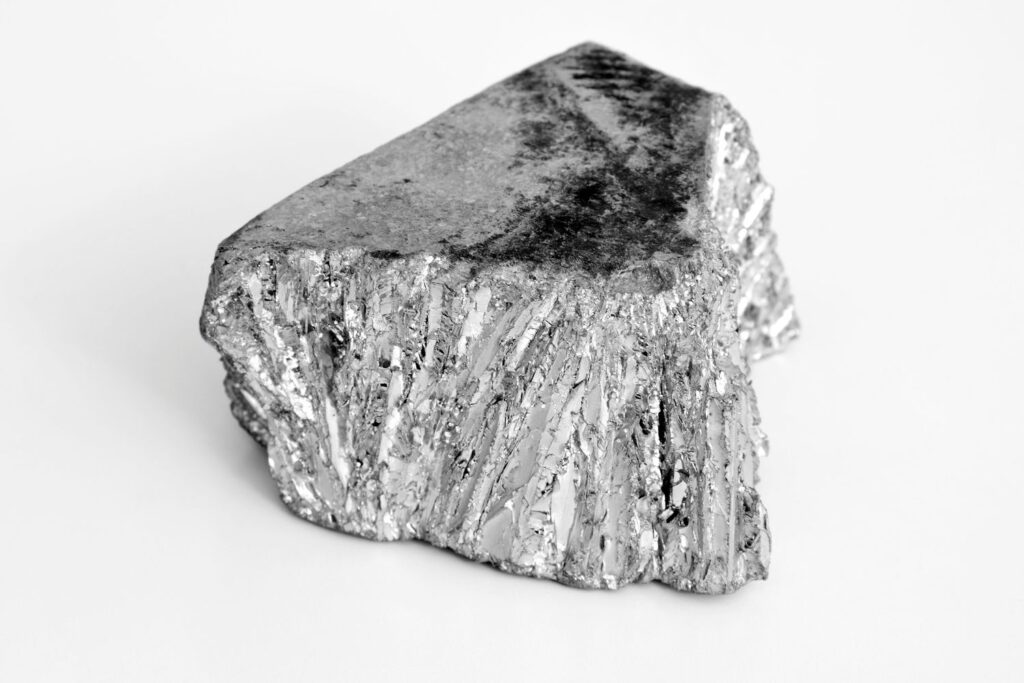
Zinc is another mineral that plays an important role in brain signaling and behavior. Studies show that many children with ADHD may also have low zinc levels. When combined with magnesium, zinc can help improve attention and reduce hyperactivity.
Vitamin B6
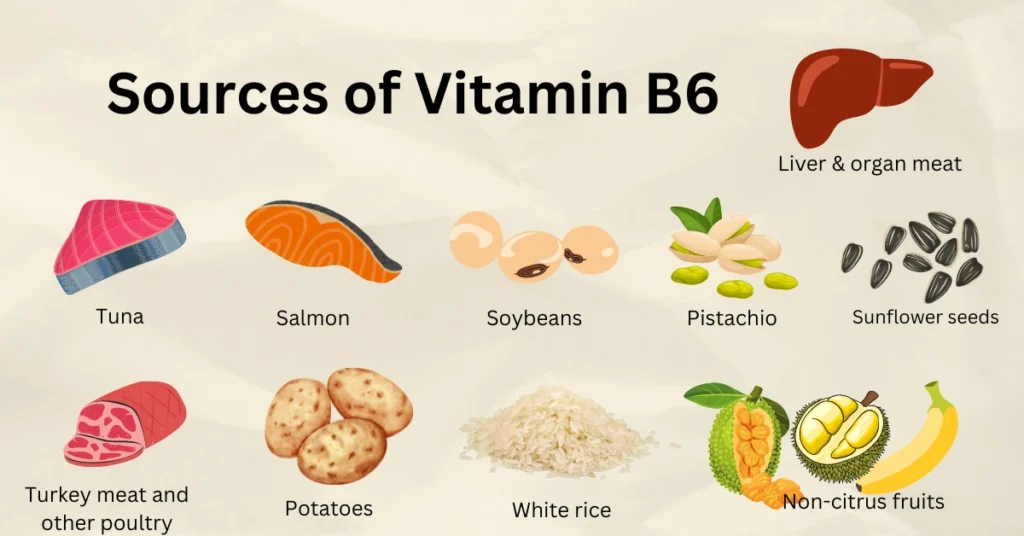
Vitamin B6 works closely with magnesium in the body. Together, they help produce neurotransmitters like serotonin and dopamine—chemicals that affect mood, focus, and relaxation. Many parents find that a magnesium + B6 combination provides calming effects.
Omega-3 Fatty Acids

Found in fish oil, omega-3s are known to support brain development, focus, and emotional balance. They work differently from magnesium but can complement its benefits, giving a more complete approach to ADHD support.
For parents, this means looking at combo supplements (such as magnesium with zinc and B6) or using a simple magnesium supplement along with a good kids’ omega-3. Just remember to introduce new supplements one at a time, so you can monitor how your child responds.
How to Choose the Right Magnesium Supplement for Your Child
With so many magnesium supplements available in the USA, it can feel overwhelming to pick the right one. Here are some simple tips parents can follow:
Check the Form
- For calming and sleep → Magnesium Glycinate
- For focus and brain support → Magnesium L-Threonate
- For constipation + ADHD → Magnesium Citrate
Look for Child-Friendly Options
- Younger kids may do better with gummies, chewables, or liquid magnesium.
- Older kids and teens can usually take capsules or tablets.
Review the Label
- Focus on the elemental magnesium amount (the actual usable magnesium).
- Make sure the dosage fits your child’s age group.
Choose Trusted Brands
Pick supplements from reputable USA brands that are third-party tested and GMP certified. This ensures purity and safety.
Avoid Unnecessary Additives
Skip products with artificial colors, sweeteners, or preservatives that may trigger sensitivities.
In short: choose the right form, ensure the dose is safe, and buy from a trusted brand. This makes magnesium supplementation safer and more effective for your child.
FAQs for Parents
1. Can magnesium replace ADHD medication?
No. Magnesium is a supportive nutrient, not a cure for ADHD. Some children may see better focus, sleep, or calmer behavior, but it should not replace prescribed treatment. Always follow your doctor’s guidance.
2. How long does it take to see results from magnesium?
Every child is different. Some parents notice changes in 2–3 weeks, such as better sleep or less restlessness. For others, it may take a couple of months of consistent use to see improvement.
3. Which type of magnesium is best for kids with ADHD?
- Magnesium Glycinate → best for calming, anxiety, and sleep.
- Magnesium L-Threonate → best for focus and memory.
- Magnesium Citrate → helps with both ADHD support and constipation.
4. Can my child get enough magnesium from food instead of supplements?
Yes, magnesium-rich foods like leafy greens, nuts, seeds, beans, and whole grains provide natural magnesium. However, many children are picky eaters, which makes supplementation a helpful option.
5. Are magnesium supplements safe for children?
Yes, when given in the right dosage and form. The main side effect is loose stools or stomach upset. Start with a lower dose and increase slowly if needed.
6. Can magnesium help with sleep problems in ADHD kids?
Yes. Magnesium has a natural calming effect on the nervous system, which may improve sleep quality and bedtime routines.
Conclusion
Managing ADHD in children is a journey, and every parent looks for safe, natural ways to support their child’s focus, behavior, and overall well-being. Magnesium supplements can play an important role in this process. Research shows that many kids with ADHD may have lower magnesium levels, and the right supplement can help improve sleep, reduce restlessness, and support better concentration.
Among the options, Magnesium Glycinate is often the best choice for calming and sleep, while Magnesium L-Threonate is ideal for focus and memory. For children who also struggle with constipation, Magnesium Citrate may be helpful. Younger kids may prefer gummies or chewables, while older kids can take capsules or tablets.
Remember: magnesium is not a replacement for ADHD medication or therapy, but it can be a supportive addition to a healthy lifestyle. Always consult your child’s pediatrician before starting supplements, and start with the lowest effective dose.

